
What Lenders Expect From Construction Reporting: A Guide to Clear, Reliable Project Visibility
In today’s construction environment, securing financing is only part of the equation—maintaining lender confidence throughout the project is just as critical. This is where construction reporting for lenders plays a central role.
Many construction projects encounter delays or funding friction not because of poor execution, but due to unclear, inconsistent, or delayed reporting. When lenders don’t have a clear picture of progress, costs, and risks, uncertainty increases—and so does scrutiny.
For developers and project teams in Toronto and across Canada, this challenge is becoming more common as projects grow more complex and financing structures become more detailed.
The solution isn’t more reporting—it’s better reporting.
Understanding what lenders expect and how to deliver it effectively can help streamline approvals, improve communication, and ultimately keep projects moving forward with confidence.

Why Construction Reporting for Lenders Is So Important
Lenders are not involved in day-to-day construction, but they are deeply invested in project outcomes. Their primary concern is risk.
They need to understand:
Whether the project is progressing as planned
If the budget remains under control
What risks could impact completion
Whether funds are being used appropriately
Construction reporting provides this visibility. It acts as the foundation of trust between the project team and the lender.
When reporting is clear and consistent, lenders are more comfortable approving draws and supporting the project. When it’s not, delays and additional oversight often follow.
What Lenders Expect From Construction Reporting
While requirements can vary depending on the lender and project type, there are several core elements that are consistently expected.
Accurate and Transparent Progress Updates
Lenders rely on progress reports to understand how the project is advancing.
These updates should include:
Percentage of completion (overall and by trade)
Work completed during the reporting period
Key milestones achieved
Planned upcoming activities
Accuracy is essential. Overestimating progress can lead to funding mismatches and loss of credibility later in the project.

Detailed Budget Tracking and Forecasting
Financial clarity is one of the most important aspects of construction reporting for lenders.
A strong report should clearly outline:
Original vs. current budget
Committed costs vs. remaining scope
Forecasted final costs
Any variances or potential overruns
Lenders want to see not just where the project stands today, but where it is heading financially.

Schedule Monitoring and Delay Management
Time impacts cost, financing, and overall risk.
Effective reporting should provide:
Updated project schedules
Status of key milestones
Identification of delays
Strategies to recover lost time
Providing context is critical. Lenders want to understand both the issue and the solution.

Proactive Risk Identification
No construction project is risk-free. What matters is how risks are identified and managed.
Reports should highlight:
Construction risks (labour shortages, site conditions)
Financial risks (cost escalation, procurement delays)
External risks (approvals, regulatory changes)
Early communication builds trust. Surprises do the opposite.
Clear Draw Requests and Supporting Documentation
Draw requests are one of the most sensitive aspects of lender interaction.
To avoid delays, they should include:
A clear breakdown of requested funds
Supporting invoices and contracts
Alignment with reported progress
Consultant verification where required
Consistency between progress reports and draw requests is key to maintaining lender confidence.
Visual Reporting and Site Documentation
Modern construction reporting increasingly includes visual components.
Lenders often expect:
Site photos documenting progress
Evidence supporting percentage completion
Time-stamped records tied to reporting periods
Visual data helps validate written reports and provides an additional layer of transparency.
Common Problems With Construction Reporting
Despite its importance, construction reporting often falls short due to avoidable issues.
Inconsistent Formats
Different stakeholders using different templates can lead to confusion and misalignment.
Delayed Submissions
Late reports slow down lender approvals and can disrupt project cash flow.
Lack of Detail
Overly simplified reporting may fail to address lender concerns.
Reactive Communication
Waiting too long to report issues can damage trust and escalate problems.
How to Improve Construction Reporting for Lenders
Improving reporting doesn’t require complexity—it requires structure and discipline.
Standardize Reporting Templates
Consistency is critical.
Use standardized formats for:
Progress updates
Cost reports
Schedule tracking
This ensures clarity and alignment across all stakeholders.
Improve Communication Between Teams
Accurate reporting depends on reliable information from the field.
Ensure:
Site teams understand reporting expectations
Data flows efficiently between field and office
Information is reviewed before submission
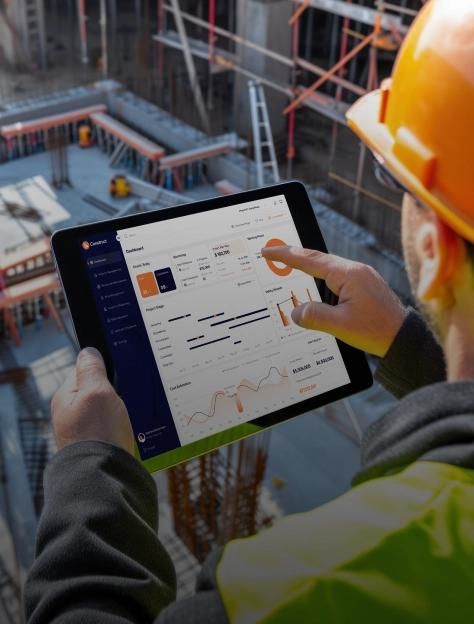
Leverage Construction Technology
Technology is transforming how projects are reported and monitored.
Tools such as:
Project management platforms
Reality capture and site documentation tools
Digital dashboards
can improve accuracy, speed, and transparency.
Focus on Clarity and Simplicity
Reports should be easy to read and interpret.
Instead of overwhelming lenders with data, focus on:
Clear summaries
Key insights
Actionable information
Communicate Early and Honestly
If something changes, communicate it immediately.
Strong construction reporting is not about presenting a perfect project—it’s about presenting an accurate and transparent one.
The Role of Construction Management in Effective Reporting
Experienced construction management can significantly improve reporting quality.
Firms like Fusioncorp, a boutique development and construction management company based in Toronto, bring structured reporting processes and industry expertise to complex projects.
With experience across residential, commercial and mixed-use developments, the focus is on:
Delivering clear and consistent reporting
Aligning project stakeholders
Identifying risks early
Supporting efficient lender communication
This approach helps ensure that reporting becomes a tool for progress—not a barrier.

Conclusion: Better Reporting Leads to Better Projects
Construction reporting for lenders is more than a requirement—it’s a critical part of successful project delivery.
When done effectively, it:
Builds trust with lenders
Improves transparency
Reduces delays and disputes
Supports better decision-making
As construction projects continue to grow in complexity, the ability to provide clear, accurate, and timely reporting will only become more important.
For developers, owners, and project teams, the takeaway is simple:
Strong reporting doesn’t just satisfy lenders—it helps deliver better outcomes for everyone involved.
If you’re preparing a project for financing or looking to improve your reporting systems, refining how you communicate project performance is one of the most valuable steps you can take.


Comments