
Why Construction Transparency Is the New Currency in Construction
In today’s construction environment, trust is no longer assumed — it’s earned through visibility.
Developers, lenders, and stakeholders are asking tougher questions than ever. Where is the project financially? Is the schedule realistic? Are risks being identified early — or discovered too late?
These questions reflect a broader shift happening across the industry: construction transparency is becoming the new currency.
For years, many projects operated with limited visibility between stakeholders. Updates were periodic. Reporting was inconsistent. And critical issues were sometimes only surfaced when they became unavoidable.
But in a market defined by tighter financing, higher costs, and increased scrutiny, that approach no longer works.
Today, success depends on clarity — not just in design and execution, but in communication, reporting, and decision-making. The teams that embrace transparency are the ones building trust, reducing risk, and delivering more predictable outcomes.
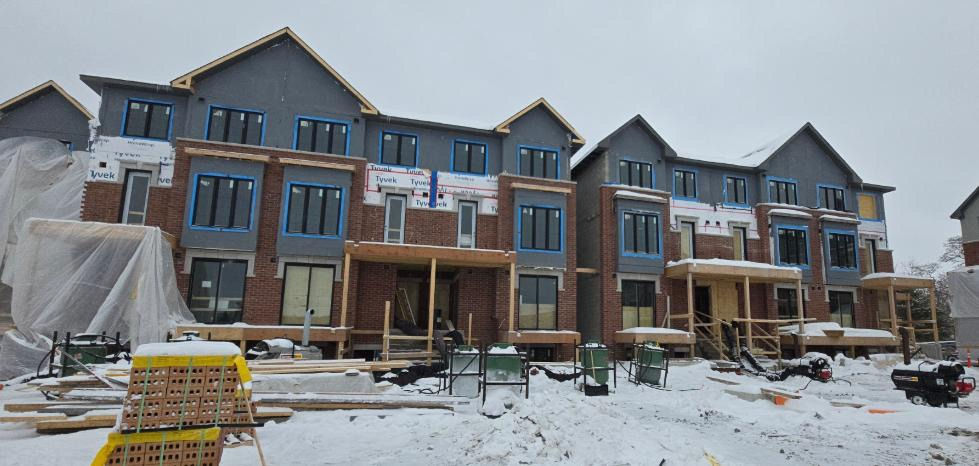
What Construction Transparency Really Means
Construction transparency goes beyond simply sharing updates.
It means creating a project environment where all key stakeholders have clear, accurate, and timely visibility into what’s happening on site and behind the scenes.
This includes:
Real-time budget tracking
Honest schedule reporting
Early identification of risks
Open communication between trades, consultants, and ownership
Clear documentation of decisions and changes
Transparency is not about perfection — it’s about clarity and accountability.
The Problem: Lack of Visibility Creates Risk
One of the biggest challenges in construction is not the problems themselves — it’s when those problems are discovered.
Without transparency, issues often surface too late:
Budget overruns are identified after funds are already committed
Schedule delays are recognized when recovery becomes difficult
Coordination conflicts appear during construction instead of design
Trade coverage gaps are discovered mid-project
In many cases, stakeholders are left reacting instead of planning.
This reactive approach creates:
Increased financial exposure
Strained relationships between partners
Loss of confidence from lenders and investors
Project delays and cost escalation
In today’s environment, uncertainty is expensive.
Why Construction Transparency Matters More Than Ever
The current market conditions across Toronto and the broader Canadian construction landscape have amplified the importance of transparency.
Several factors are driving this shift:
1. Tighter Financing Conditions
Lenders are more cautious and require detailed reporting to release funds.
Transparent projects:
Build lender confidence
Enable smoother draw processes
Reduce funding delays
2. Rising Construction Costs
With fluctuating material and labour costs, budgets can quickly become outdated.
Transparent cost tracking allows teams to:
Adjust early
Reforecast accurately
Avoid major financial surprises
3. Increased Project Complexity
Urban projects today involve:
Tight sites
Complex logistics
Multiple stakeholders
Without clear communication and visibility, coordination becomes a major risk.
4. Demand for Accountability
Developers and investors want to know:
Where their money is going
How decisions are being made
What risks are emerging
Transparency provides that accountability.
How to Build Transparency Into a Construction Project
Transparency doesn’t happen by accident. It needs to be built into the project from day one.
Here are key strategies that leading teams are using:
Establish Clear Reporting Systems Early
Define how information will be shared before construction begins.
This includes:
Weekly or bi-weekly progress reports
Budget tracking dashboards
Schedule updates with critical path visibility
Consistency is key.
Use Real-Time Data, Not Static Reports
Traditional reporting often lags behind reality.
Modern construction transparency relies on:
Live budget updates
Real-time schedule tracking
Digital documentation tools
This ensures decisions are based on current information — not outdated snapshots.
Identify Risks Early — and Communicate Them Clearly
Every project has risks.
The difference is whether they are:
Hidden until they escalate
Or identified early and managed proactively
Transparent teams:
Flag risks early
Communicate impacts clearly
Present solutions alongside challenges
Align All Stakeholders
Transparency breaks down silos between:
Owners
Consultants
Contractors
Trades
When everyone is aligned:
Coordination improves
Conflicts are reduced
Decisions happen faster
Document Everything
Clear documentation protects the project and all parties involved.
This includes:
Change orders
Site instructions
Meeting minutes
Progress photos
Good documentation ensures there is a clear record of decisions and actions.
The Role of Technology in Construction Transparency
Technology has become a major enabler of transparency in modern construction.
Digital tools now allow for:
Centralized project documentation
Real-time collaboration between teams
Automated reporting
Progress tracking through photos and site data
These tools don’t replace good management — but they enhance visibility and consistency.

Where Construction Transparency Creates the Most Value
Transparency delivers value across every stage of a project:
Pre-Construction
Accurate budgeting
Clear scope definition
Early risk identification
Construction Phase
Real-time progress tracking
Improved trade coordination
Faster issue resolution
Project Closeout
Clear documentation
Reduced disputes
Smoother handover
How Fusioncorp Approaches Construction Transparency
At Fusioncorp, transparency is treated as a core part of construction management — not an add-on.
This means:
Providing clear, consistent reporting to stakeholders
Aligning budgets with real-time trade pricing
Identifying risks early and communicating them clearly
Maintaining strong documentation and accountability throughout the project lifecycle
In complex projects — especially in today’s market — this level of transparency helps bring clarity to decision-making and confidence to stakeholders.

The Long-Term Impact: Trust, Performance, and Better Outcomes
Projects built on transparency don’t just run better — they build stronger relationships.
Over time, this leads to:
Greater trust between partners
More predictable project outcomes
Stronger reputations in the market
Increased opportunities for future work
In many ways, transparency becomes a competitive advantage.
Conclusion: Transparency Is No Longer Optional
Construction is becoming more complex, more scrutinized, and more financially sensitive.
In this environment, transparency is no longer a “nice to have.”
It’s essential.
The projects that succeed today are the ones where stakeholders have clear visibility into budgets, schedules, risks, and decisions — from start to finish.
Because in modern construction:
Transparency isn’t just about sharing information. It’s about building trust, reducing risk, and delivering better outcomes.
For those looking to navigate today’s challenges more effectively, the path forward is clear:
Build with transparency — and everything else becomes easier to manage.


Great explanation and helpful renovation advice shared here. I came across Vulcan Hats Construction while exploring home remodeling toronto options.