
Why Reality Capture Construction Is Becoming Standard on Job Sites
Construction has always been a fast-moving, detail-driven industry. But as projects become more complex and timelines tighter, one challenge continues to stand out: visibility.
Project teams often struggle to answer simple but critical questions: What exactly was installed? When was it completed? Who verified it?
Without clear, real-time documentation, these questions can lead to delays, disputes, and costly rework.
This is where reality capture construction is changing the game.
By using advanced tools to digitally document job sites in real time, reality capture is helping teams improve communication, reduce risk, and make faster, more informed decisions. What was once considered an innovative add-on is now quickly becoming a standard practice across modern construction projects.

What Is Reality Capture Construction?
Reality capture construction refers to the use of technology to digitally record and map physical job site conditions.
This can include:
360° photo and video documentation
Laser scanning (LiDAR)
Drone imaging
Photogrammetry
Spatial AI mapping
The goal is simple: create an accurate, visual record of the project at every stage of construction.
Instead of relying solely on drawings, reports, or memory, teams can now see exactly what happened on-site—at any point in time.
Why Reality Capture Is Gaining Momentum
The construction industry is evolving, and so are expectations around transparency, efficiency, and accountability.
Reality capture is gaining traction because it directly addresses some of the most common challenges on job sites.
Limited Visibility Across Teams
Construction projects involve multiple stakeholders—owners, consultants, contractors, and trades. Not everyone can be on-site all the time.
Reality capture allows stakeholders to:
Access site conditions remotely
Stay aligned without constant site visits
Make decisions faster with visual confirmation
Communication Gaps
Many construction issues arise not from mistakes—but from miscommunication.
Reality capture improves clarity by:
Providing visual proof of work completed
Reducing reliance on written descriptions
Aligning teams around a shared understanding
Disputes and Claims
Disputes over scope, progress, or deficiencies can delay projects and strain relationships.
With reality capture:
Teams have a time-stamped visual record
Issues can be verified quickly
Claims can be resolved more efficiently
Inefficient Documentation
Traditional documentation methods are often manual, time-consuming, and inconsistent.
Reality capture automates much of this process, ensuring:
Consistent site records
Minimal disruption to workflows
Better project traceability
How Reality Capture Works on Modern Job Sites
Today’s reality capture tools are designed to be both powerful and easy to use.
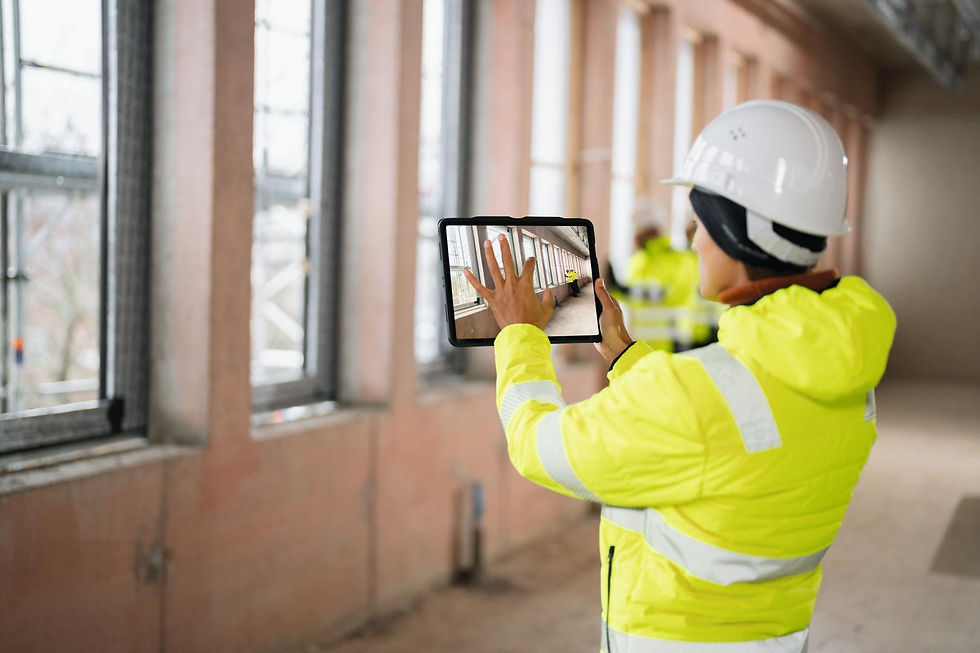
One of the most widely adopted approaches involves 360° camera technology combined with Spatial AI.
As team members walk the site:
Cameras capture continuous visual data
Software maps images to project drawings
A navigable, digital model of the site is created
This allows users to:
“Walk” the site virtually from anywhere
Compare past and current conditions
Track progress over time
Tools like OpenSpace have played a key role in advancing this approach, making reality capture faster, more accessible, and easier to integrate into daily workflows.

Key Benefits of Reality Capture Construction
1. Improved Project Transparency
Reality capture creates a shared source of truth.
Everyone—from owners to trades—can see exactly what’s happening on-site, reducing uncertainty and improving trust.
2. Faster Decision-Making
When teams have immediate access to visual data, decisions can be made more quickly and confidently.
This helps:
Reduce delays
Avoid unnecessary site visits
Keep projects moving forward
3. Better Quality Control
With continuous documentation, teams can:
Verify installations
Identify issues early
Ensure work meets design intent
This leads to fewer deficiencies and higher-quality outcomes.
4. Reduced Risk and Rework
Rework is one of the most expensive challenges in construction.
Reality capture helps minimize it by:
Catching issues before they escalate
Providing clear documentation of completed work
Supporting proactive problem-solving
5. Stronger Collaboration
Construction is a team effort.
Reality capture enhances collaboration by:
Giving all stakeholders access to the same information
Improving communication between disciplines
Supporting more integrated project delivery

Practical Applications on Real Projects
Reality capture is already being used across a wide range of construction activities:
Progress Tracking
Teams can monitor project milestones and verify completion in real time.
RFI Support
Instead of relying on descriptions, teams can attach visual documentation to RFIs—making responses faster and clearer.
Site Coordination
Consultants and contractors can review conditions remotely, reducing coordination delays.
Deficiency Management
Issues can be documented visually, tracked over time, and resolved more efficiently.
Owner Reporting
Owners gain better visibility into project progress without needing to be on-site.
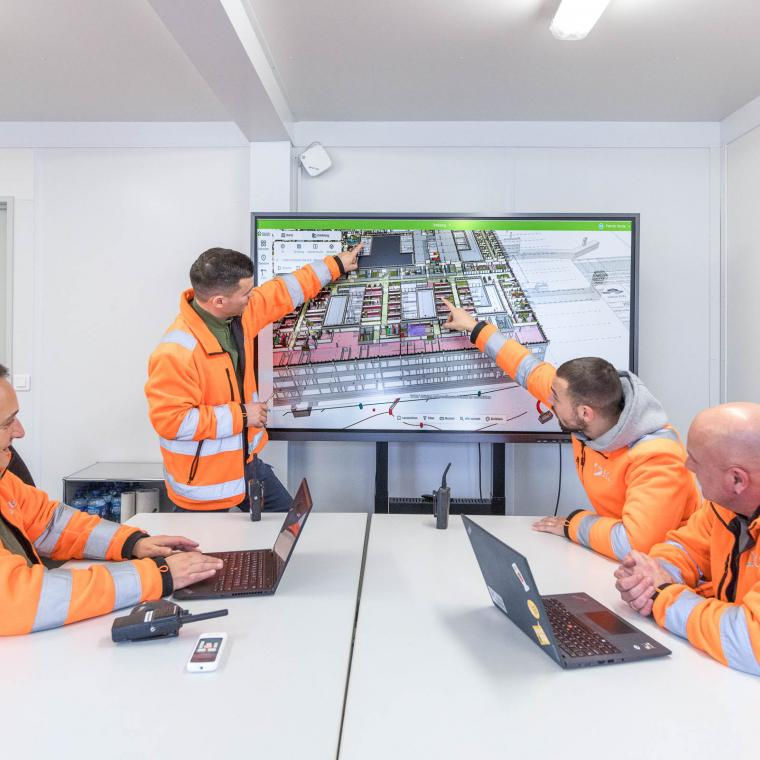
The Role of Reality Capture in Preconstruction and Planning
While reality capture is often associated with active construction, its benefits extend into preconstruction as well.
Teams can use it to:
Document existing conditions for renovations or adaptive reuse
Improve design coordination
Reduce unknowns before construction begins
For firms like Fusioncorp, integrating tools like reality capture into preconstruction supports better planning and smoother execution throughout the project lifecycle.

Why Reality Capture Is Becoming the New Standard
Several industry trends are accelerating the adoption of reality capture construction:
Increasing Project Complexity
Modern buildings are more complex than ever, requiring better coordination and documentation.
Demand for Accountability
Owners and lenders expect greater transparency and data-driven reporting.
Advancements in Technology
Tools are now:
More affordable
Easier to use
Faster to implement
Shift Toward Digital Construction
From BIM to AI, the industry is moving toward digital solutions—and reality capture is a key part of that transformation.
Reality Capture and the Future of Construction
Reality capture is not just a standalone tool—it’s part of a broader shift toward data-driven construction.
As technologies continue to evolve, we can expect:
Integration with BIM models
AI-driven insights and forecasting
Automated progress analysis
Enhanced safety monitoring
The job site of the future will be more connected, more transparent, and more efficient.

Learn More About Reality Capture in Action
To hear how reality capture and Spatial AI are being used in real projects, listen to this episode of Building Toronto’s Skyline:
🎧Here
The conversation explores how tools like OpenSpace are helping teams document projects, communicate more effectively, and solve problems faster.
Conclusion: From Innovation to Industry Standard
Reality capture construction is no longer a niche technology—it’s becoming an essential part of how modern projects are delivered.
By improving visibility, communication, and decision-making, it helps teams:
Reduce risk
Improve efficiency
Deliver higher-quality results
As the industry continues to evolve, adopting tools that enhance clarity and collaboration will be critical.
At its core, construction is about turning ideas into reality. Reality capture ensures that every step of that process is seen, understood, and delivered with confidence.
For teams looking to stay competitive, the question is no longer if they should adopt reality capture—but how quickly they can integrate it into their workflow.


Comments